Digital color works through various colored lights on a screen. One thing a lot of people notice about digital color is that it’s really hard to match in person. The reason for that is because digital color is a projection of colored lights, called– you guessed it– projected light. Color that we see in real life is not coming from colored lights, but more like light reflecting off colored things, so it’s called reflected color. Think about LED lights. If you’re in a room with all red LEDs, everything in the room will appear to be tinted red. This is why we use neutral lightbulbs, like whites or soft yellows, so the colors of the light won’t skew the true colors of the things we see.
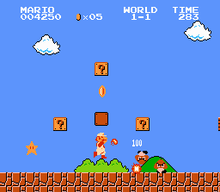
Some common types of digital color are indexed color and 24-bit color. Indexed color is more limited in the colors it shows (the “crayons” it has, as we call it in class) so an example of it would be those old platformer video games. It can only show a certain amount of colors, so they made things look more “pixel-y” like the original Mario Brothers games. 24-bit color can display more than 16 million colors, so lots of modern technology tends to use it like photographers uploading their photos to a computer. The goal for 24-bit is to display color as accurately and in high-definition as possible.